
.jpg)
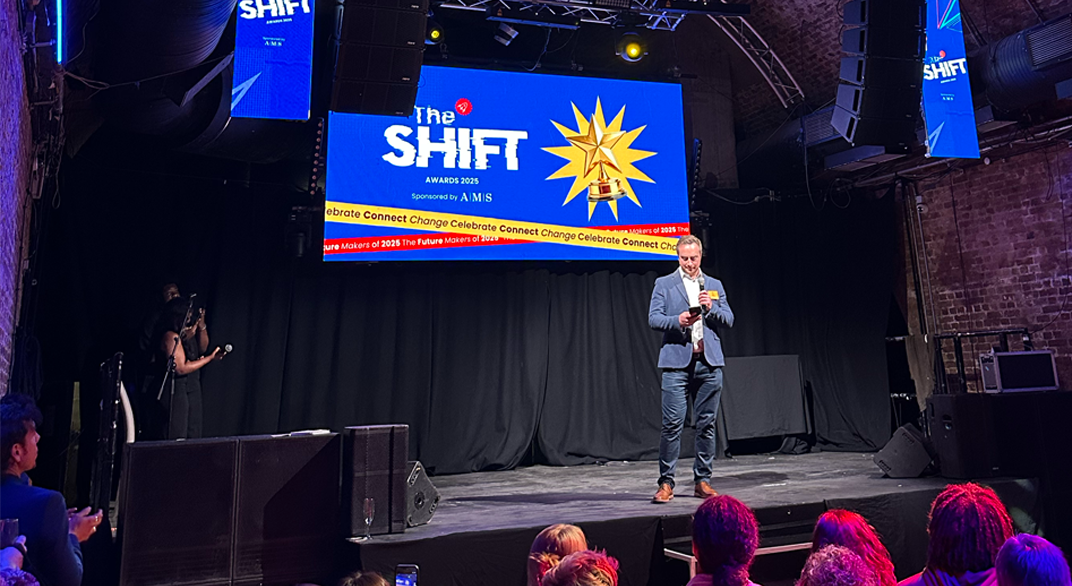
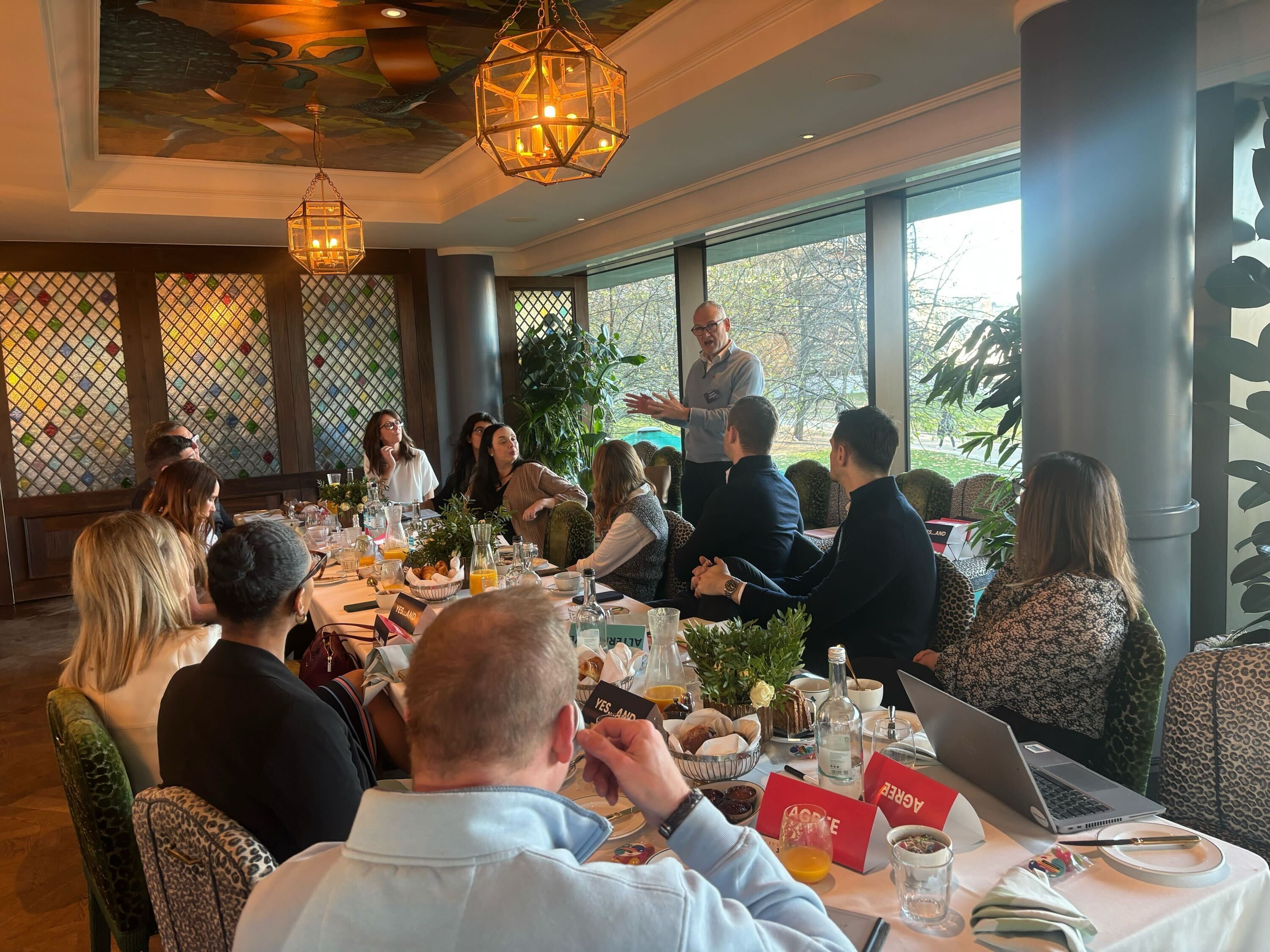
Over the last few weeks, I’ve been part of three very different conversations about the future of young people and work: the AMS x Deutsche Bank Social Mobility Summit, the ISE Work Experience Workshop, and Group GTI’s Breakfast News on Work Experience.
Different audiences. Different perspectives. But a common question kept emerging.
How do we create better pathways from education into employment?
And increasingly, the answer seems to be that we need to rethink what we mean by “work experience.”
The experience paradox
The challenge facing young people is well documented.
The latest ONS figures show that around 981,000 16–24-year-olds were NEET between April and June 2026, 13% of the age group.
But NEET is not a single problem with a single solution. Young people can face very different barriers. Lack of experience, confidence, awareness, access to opportunities, financial pressures, health or caring responsibilities.
Yet one barrier appears again and again.
You need experience to get a job, but you often need a job to get experience.
That is the experience paradox we need to break.
Work experience is changing
The good news is that the conversation is moving.
The traditional model of a one-week placement at 16 is increasingly being challenged by a more progressive approach to workplace experiences - starting earlier, providing multiple experiences and connecting them to genuine learning and career outcomes.
The Careers & Enterprise Company’s Modern Work Experience approach reflects this shift. Experiences should be progressive, purposeful and accessible, with young people gaining exposure to different sectors and occupations throughout their education.
That matters because work experience should do more than give someone something to put on their CV.
It should help a young person answer:
“Could I see myself doing this?”
And then:
“What do I need to do next?”
From participation to progression
This is where I think the next stage of the conversation needs to go.
We shouldn’t simply measure how many young people have participated in work experience.
We should ask what happened because of it.
Did their career awareness increase?
Did their confidence improve?
Did they develop new skills?
Did they meet an employer?
Did they gain access to another opportunity?
Did that eventually lead to an apprenticeship, job or other positive destination?
In other words, work experience needs to become a pathway, not an event.
Why this matters to employers
There is also a significant opportunity here for employers.
Social mobility and talent strategy are increasingly becoming two sides of the same conversation.
Employers want to build stronger, more diverse early talent pipelines. At the same time, young people need access to the networks, knowledge, experiences and relationships that can help them take their first steps into work.
The opportunity is to connect the two.
Instead of thinking about work experience as a CSR initiative sitting alongside the talent strategy, employers can use it as an opportunity to:
- introduce young people to their industry earlier
- build awareness of different careers
- develop future skills
- identify emerging talent
- widen access beyond traditional networks
- create a pipeline into apprenticeships, internships and employment.
Where virtual can play a role
Virtual Work Experience isn't the answer on its own and it shouldn't try to replace meaningful physical experiences.
Its value is in widening the front door.
A young person who has never met someone working in technology, engineering, financial services or healthcare can gain that first exposure digitally.
They can explore an industry, understand different roles, complete meaningful tasks and build confidence before taking the next step.
That next step might be a workplace visit, insight day, mentoring relationship, physical work experience, apprenticeship or job.
The important thing is that the experiences are connected.
At Springpod, this is how we see the opportunity:
Reach → Inspire → Experience → Develop → Progress → Employ
The ambition is not simply to give more young people an experience.
It is to help create more first opportunities particularly for those who may otherwise struggle to access them.
Measuring what really matters
This also changes the way we should think about impact.
At Springpod, the programmes we deliver with employers and industry partners are already demonstrating measurable changes in areas such as career awareness, confidence, skills and understanding.
In 2025, the social impact generated through Springpod programmes was valued at £325m, with 2026 expected to exceed that figure.
But the bigger opportunity is to connect those measures of immediate impact with what happens next.
Because ultimately, the question isn't:
“How many young people did we reach?”
It is:
“What did that engagement enable them to do next?”
The opportunity ahead
The debate around NEETs, social mobility and work experience is becoming much more connected.
And that is a good thing.
Young people don't simply need more interventions. They need access to opportunity, meaningful experiences and clearer pathways into work.
Employers don't simply need more candidates. They need to build relationships with future talent earlier and broaden who gets the opportunity to enter their pipeline.
And education needs stronger connections with both.
The future of work experience shouldn't be about creating more experiences for the sake of it.
It should be about creating more first opportunities and making sure they lead somewhere.